
Medium Cold: Ice at/as Architecture at Camp Century, Greenland
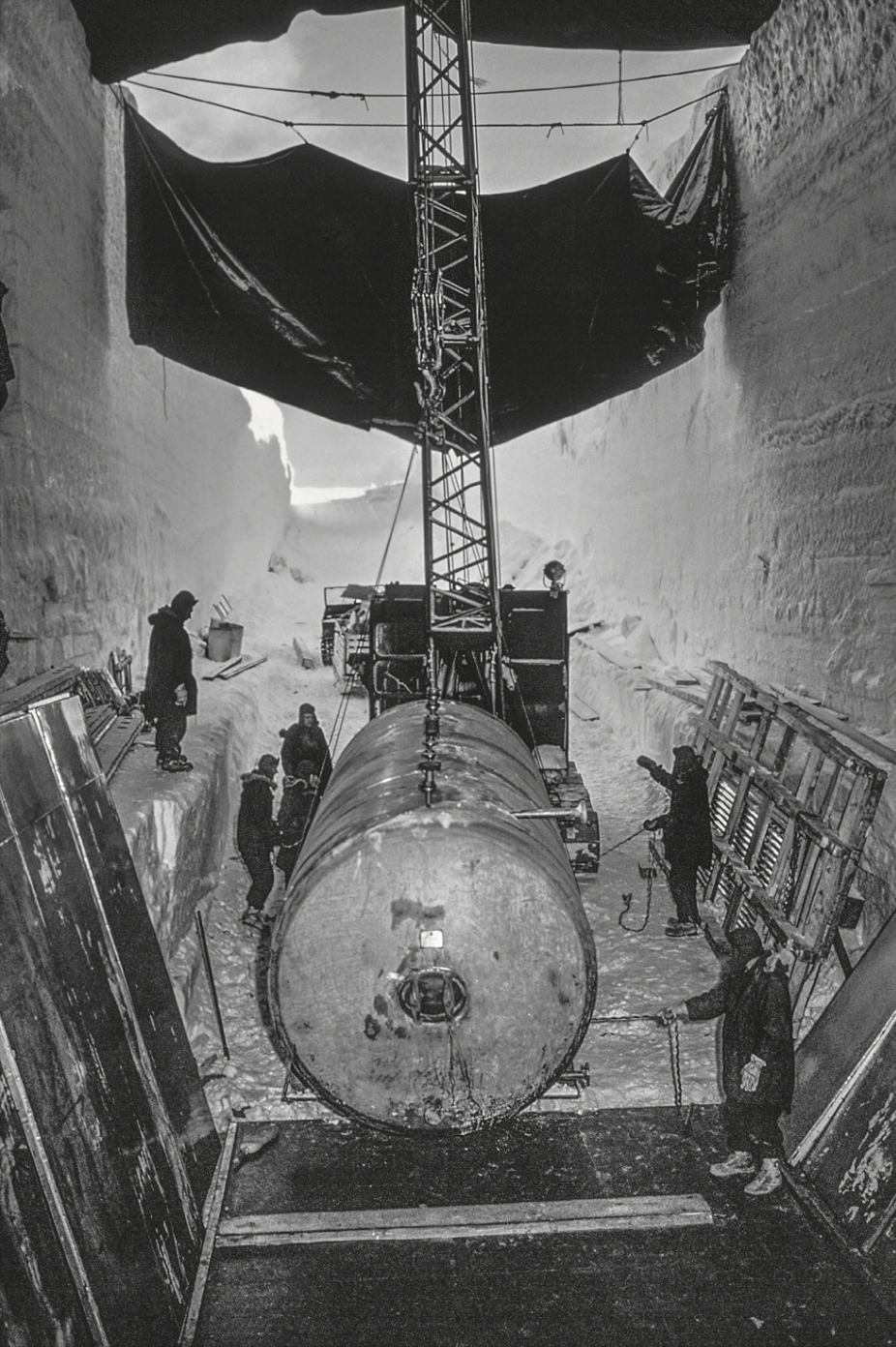
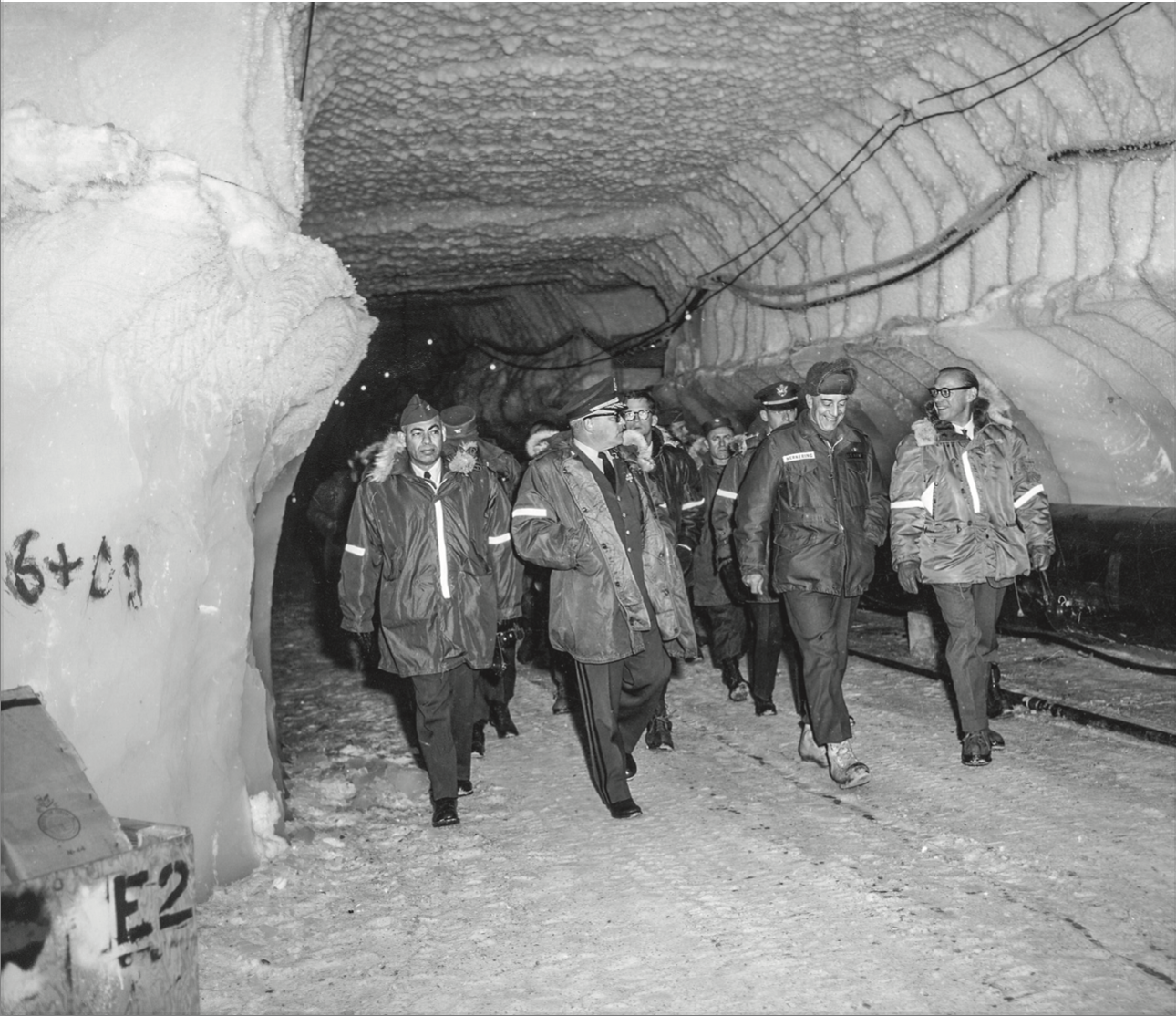
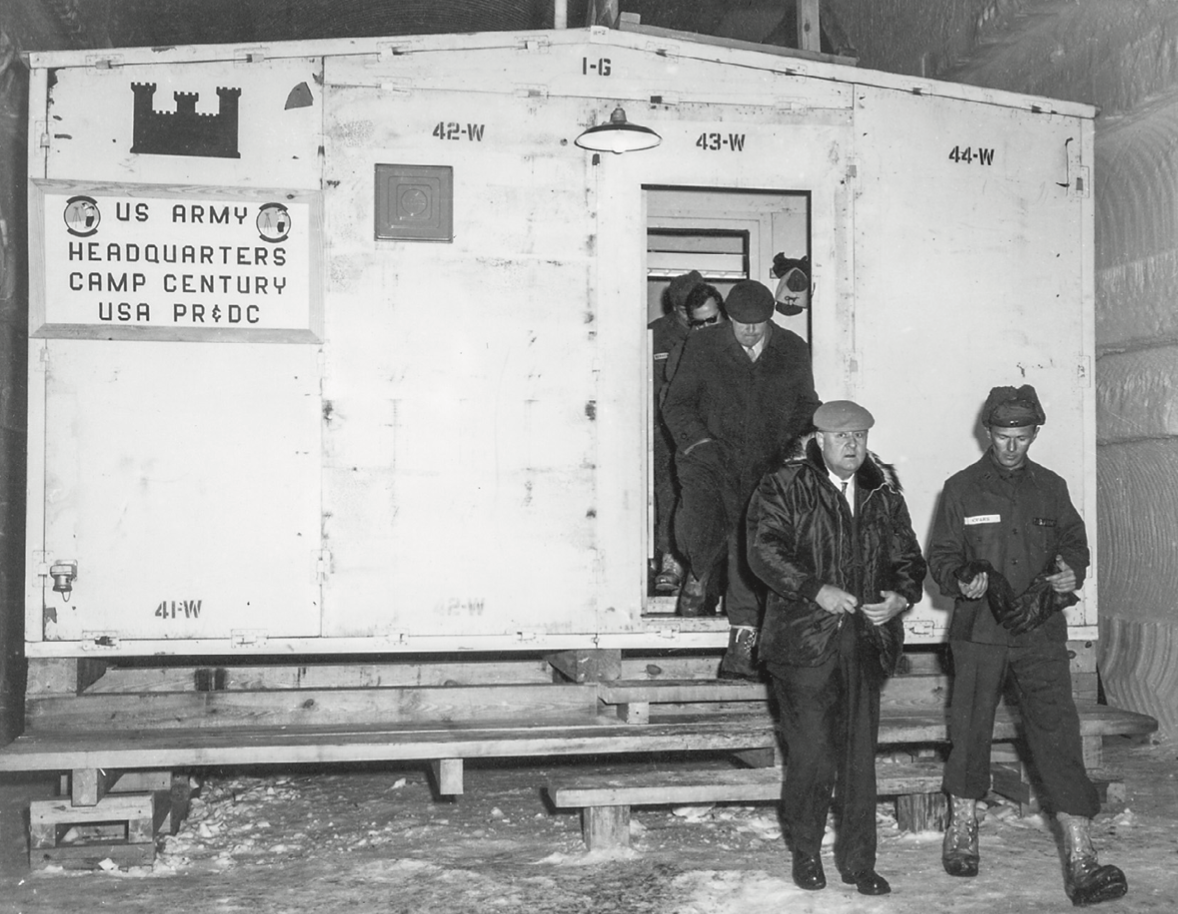
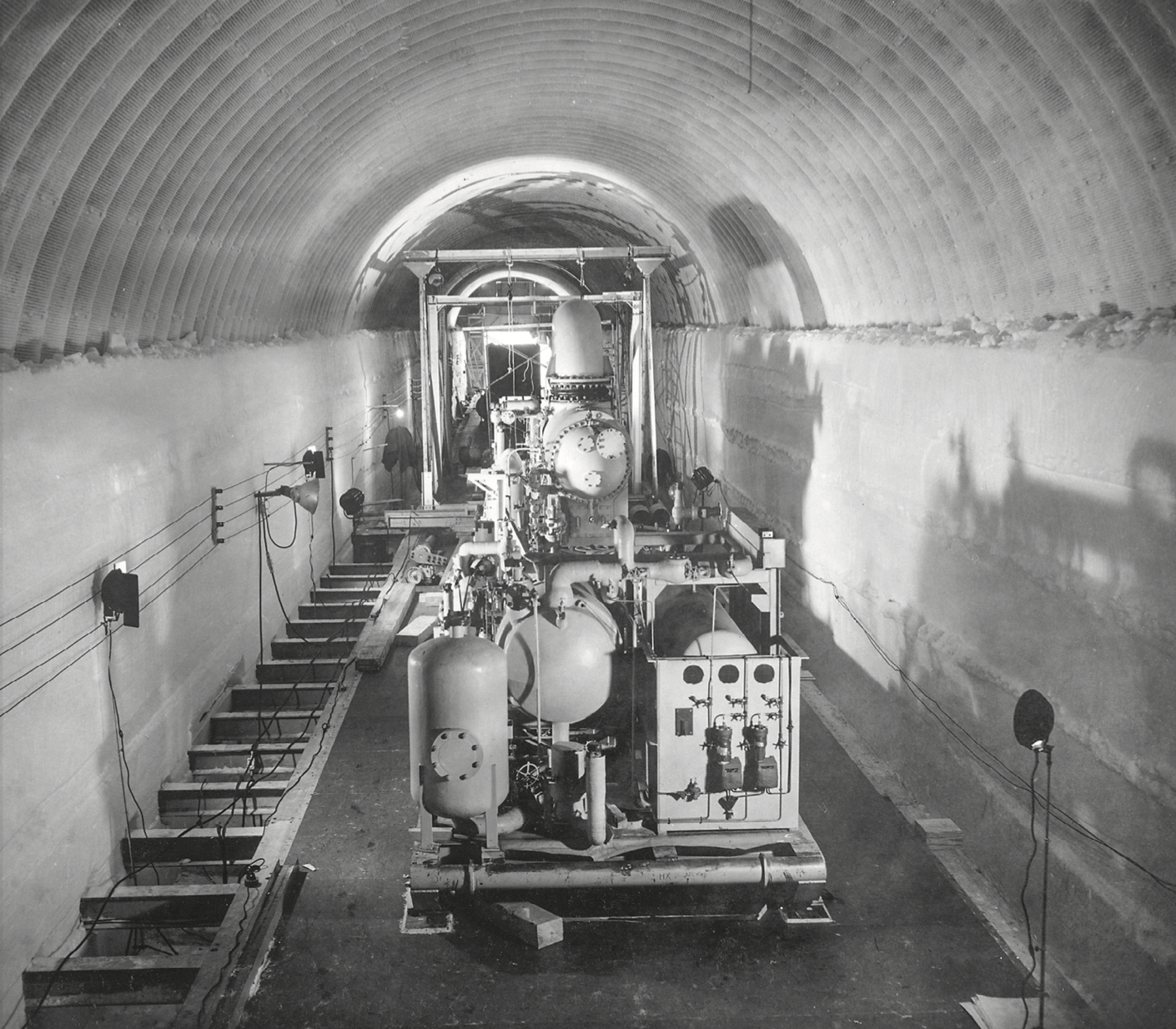
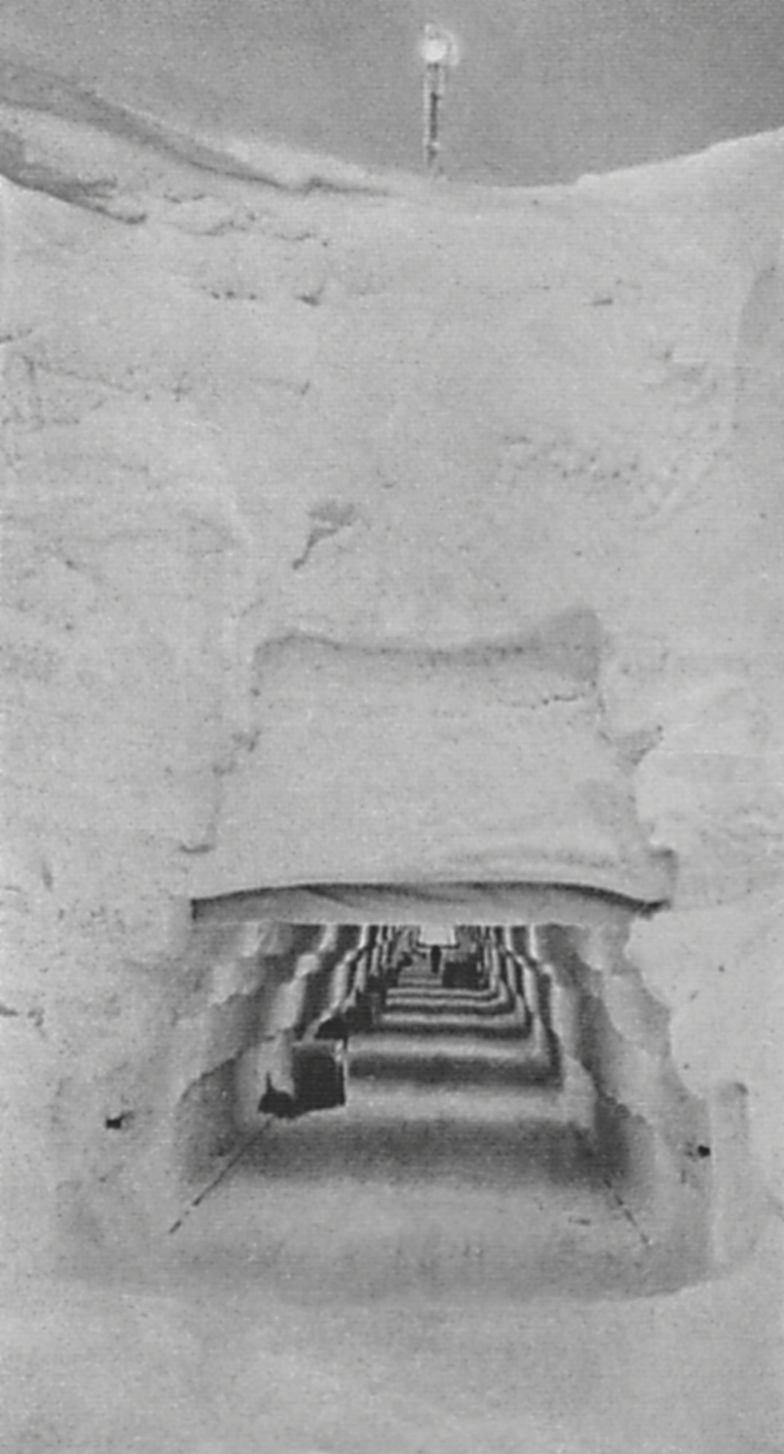
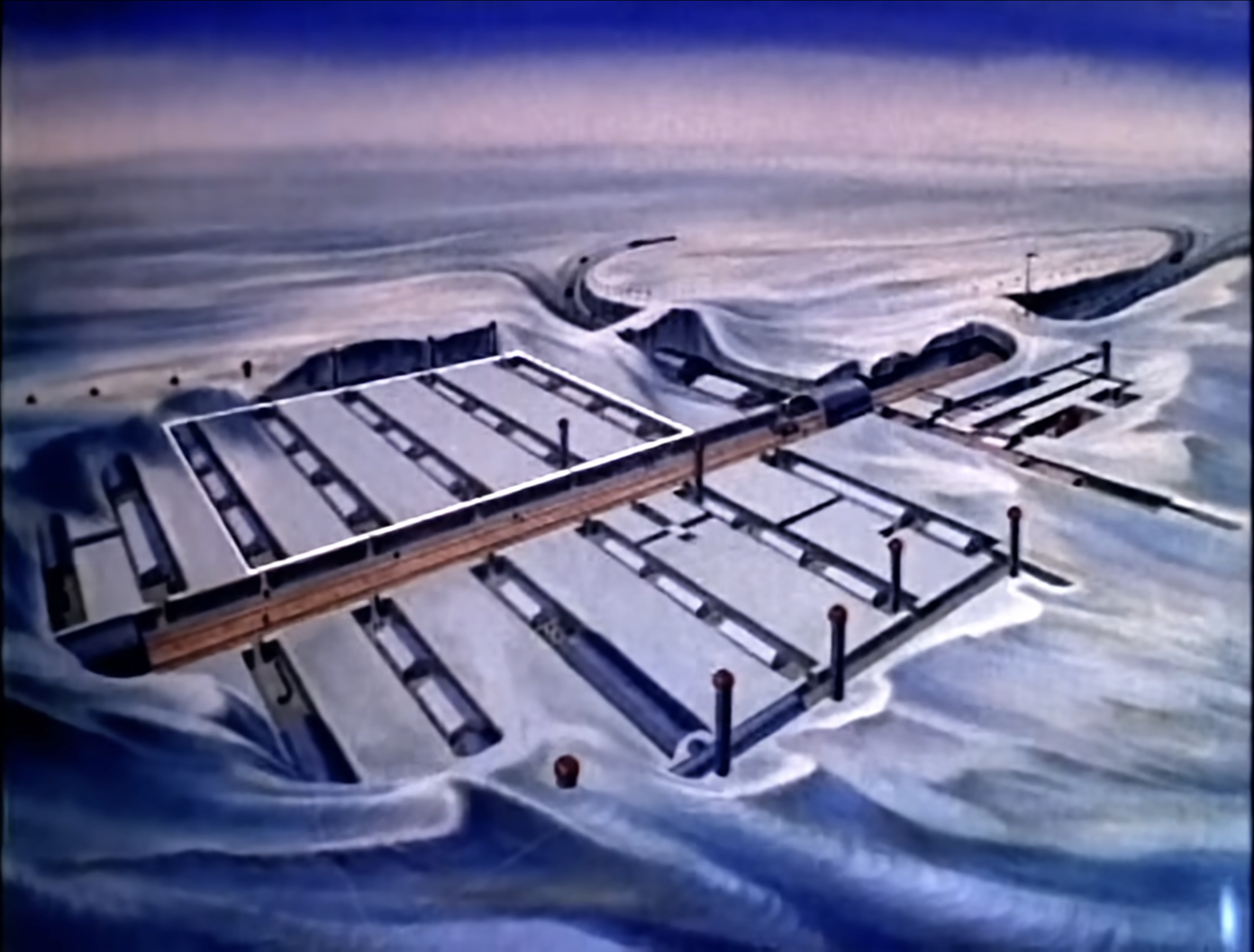
This project, part essay, part image assemblage, analyses ice as an elemental medium in the past and future of Camp Century, Greenland, an American military base built down into the ice during the Cold War.
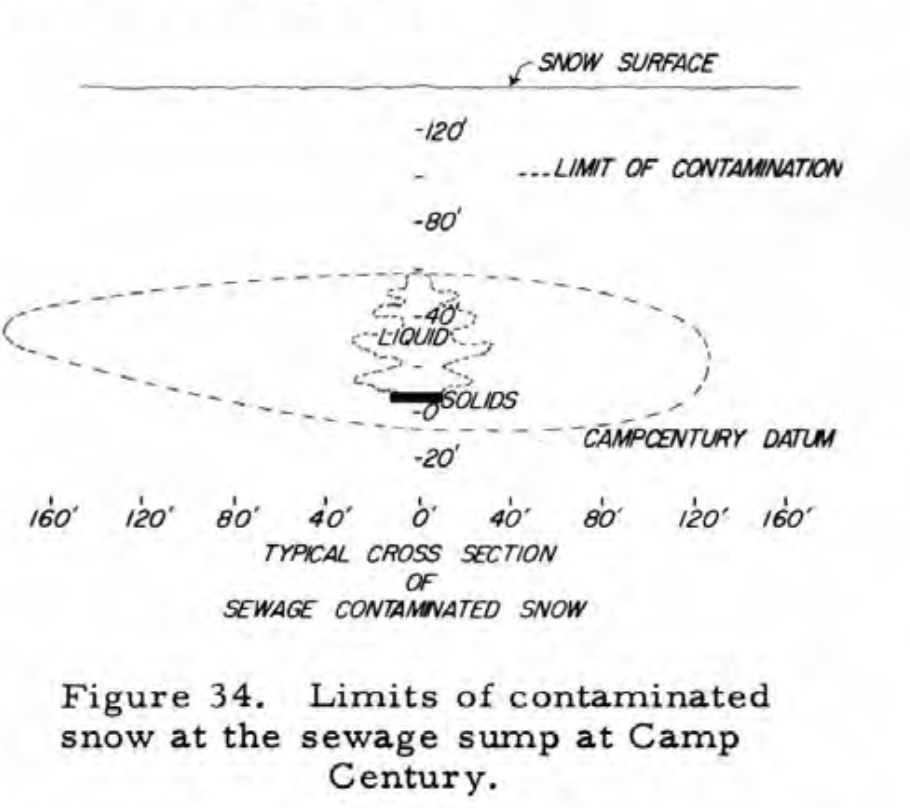
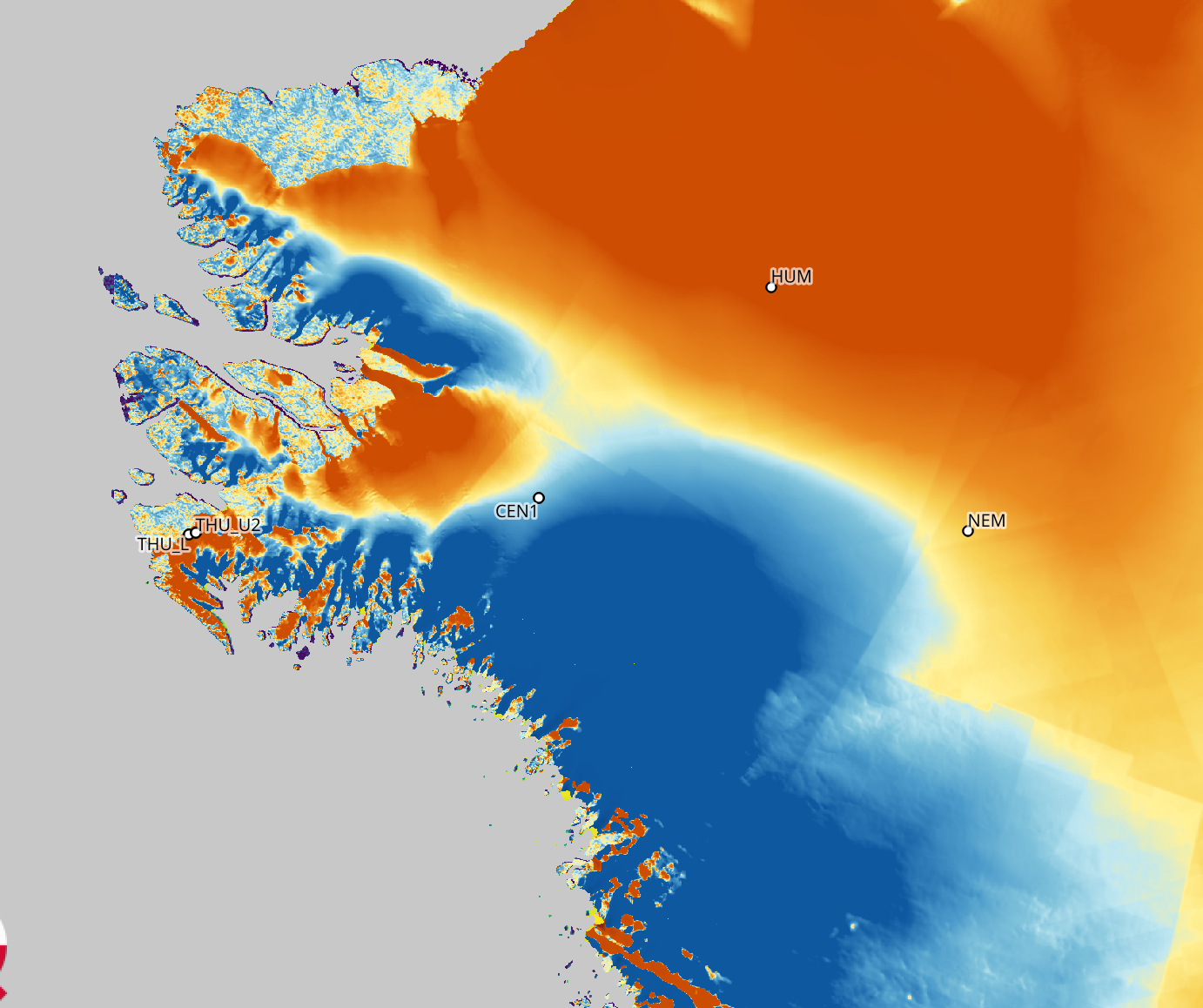
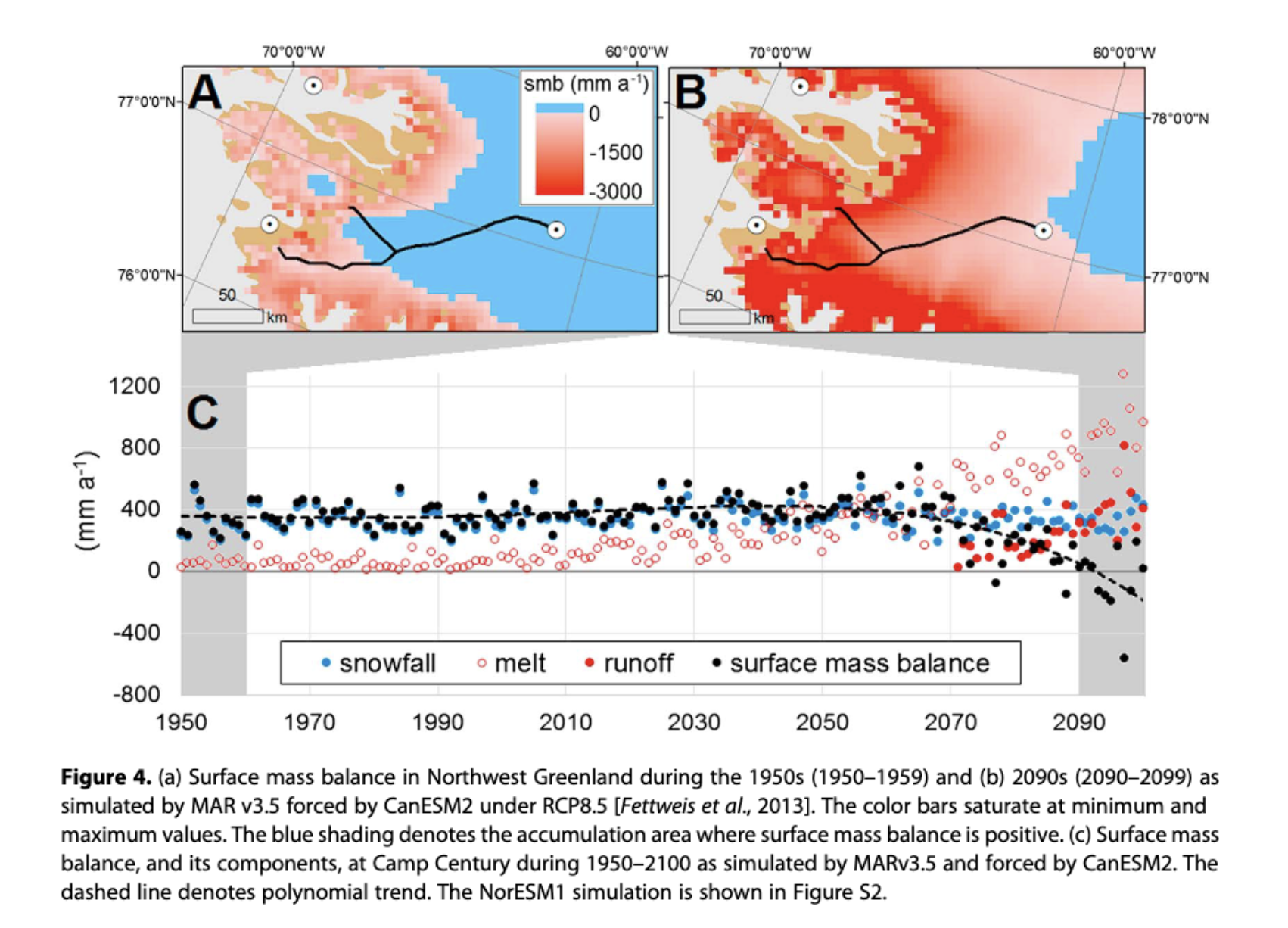
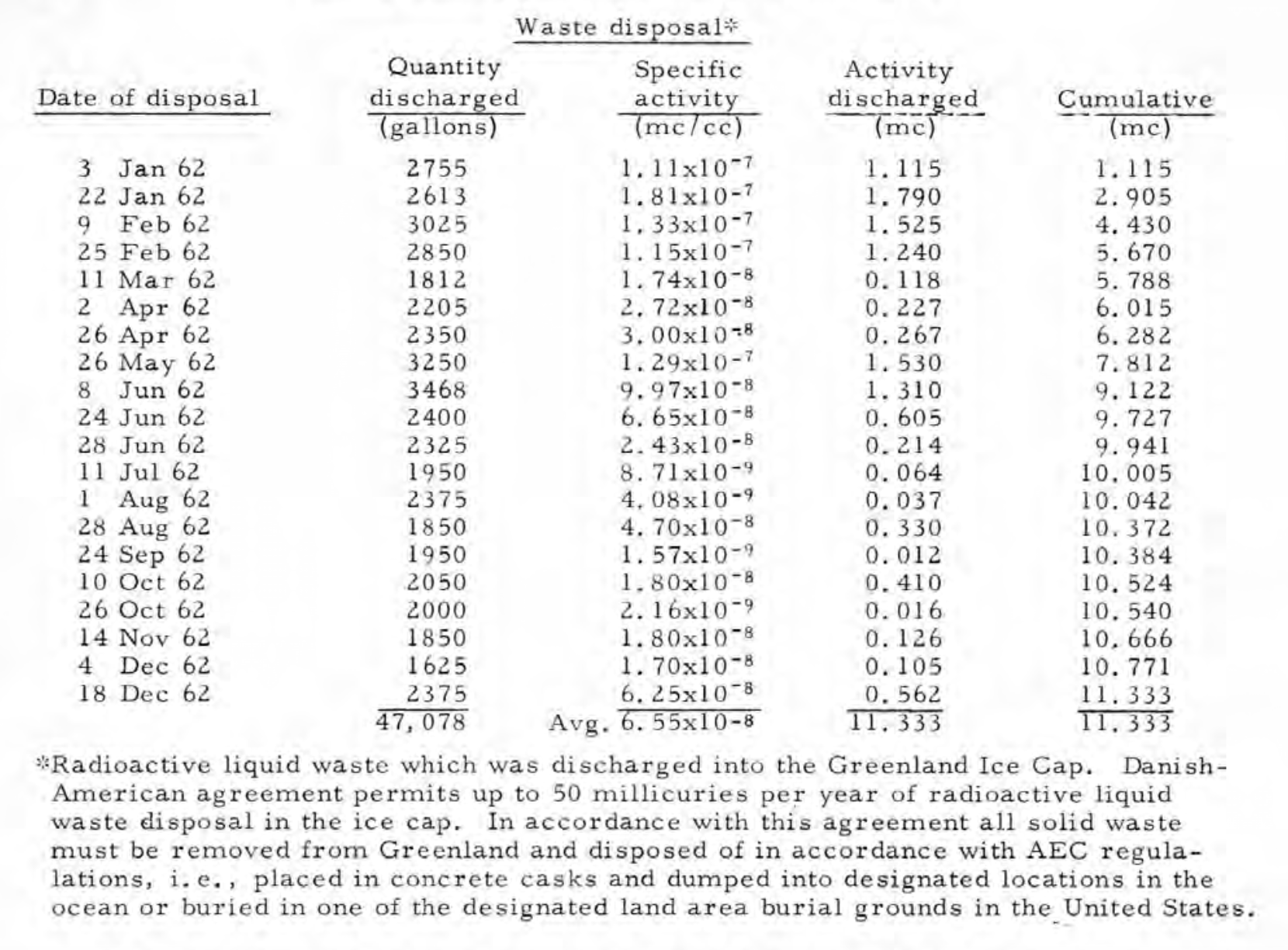
Drawing on Eva Horne's "Air as Medium," the essay articulates how ice cannot be reduced to an "externalized object," but rather materialized the camp's "condition of possibility, its 'infrastructure.'" Thinking through ice as medium reveals how it, like air, is "a system of fluxes and forces," highlighting its various spatialities, including "the tension between the local and the global, the fixed and the traveling, the stable and the flowing...as well as its different temporalities"—from the deep geological past to its capacity to inform future climate models. The toxification of the ice sheet during the camp's operation and the suspension of these toxic materials—for the time being—after its shutdown bring ice's elemental properties to the fore.
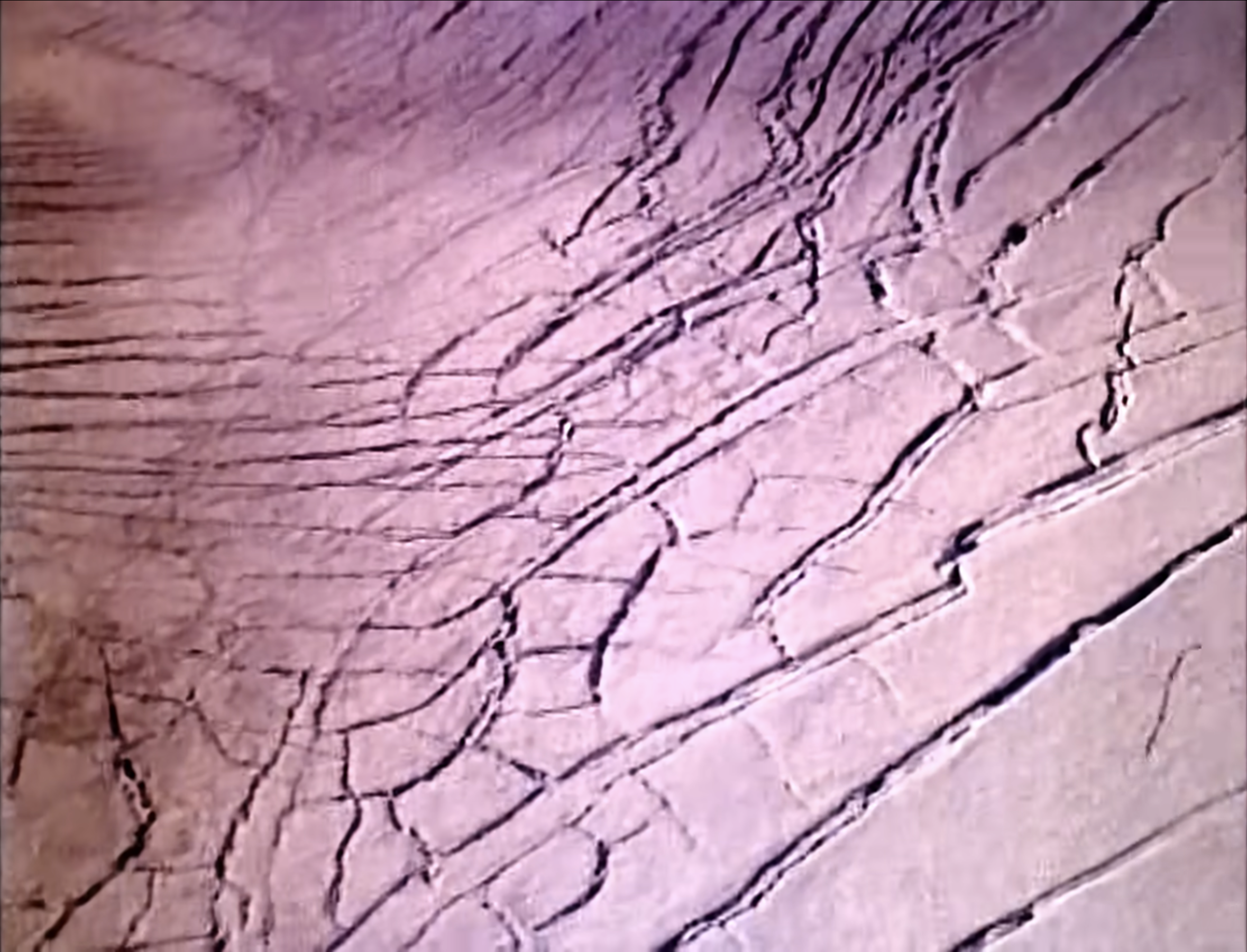
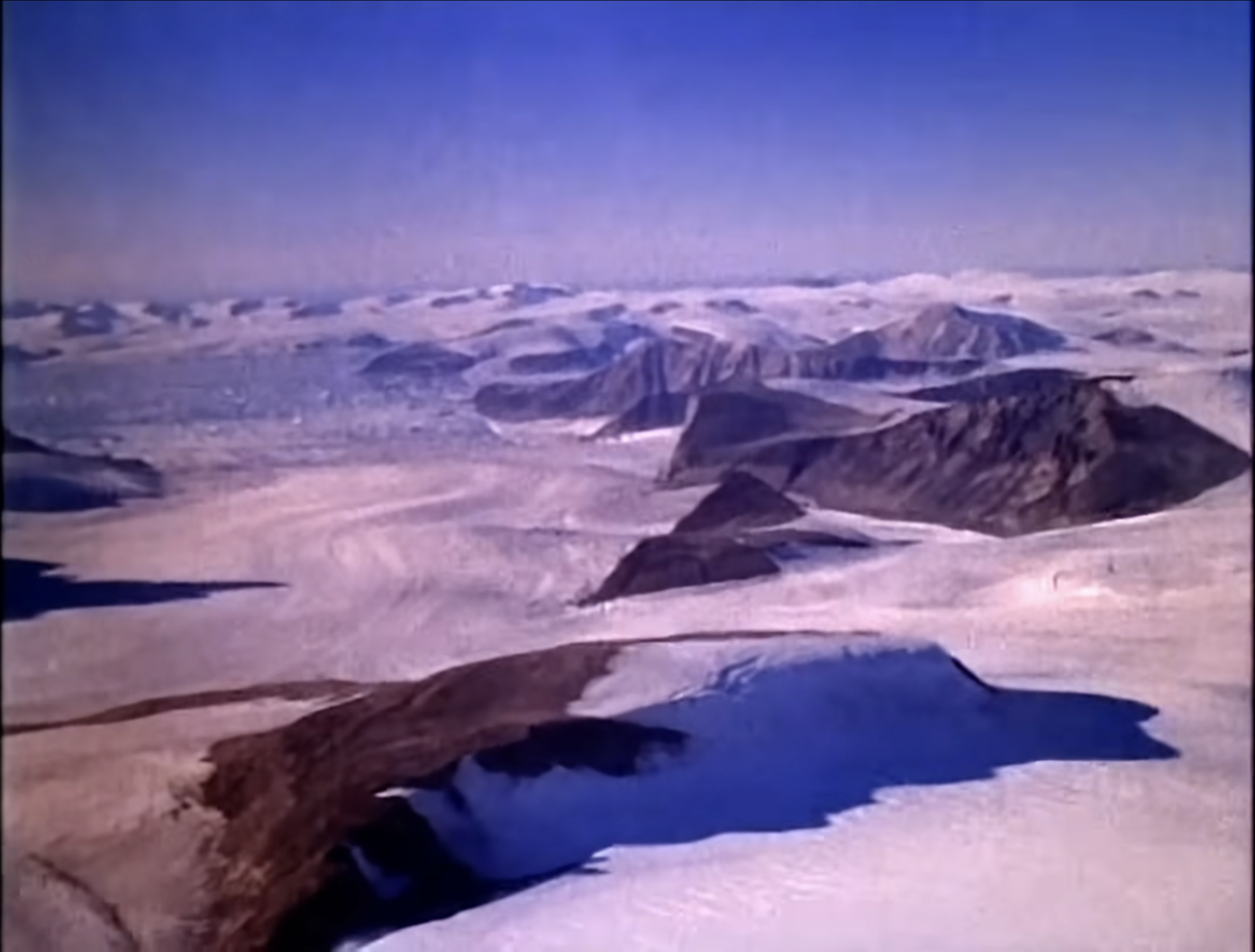
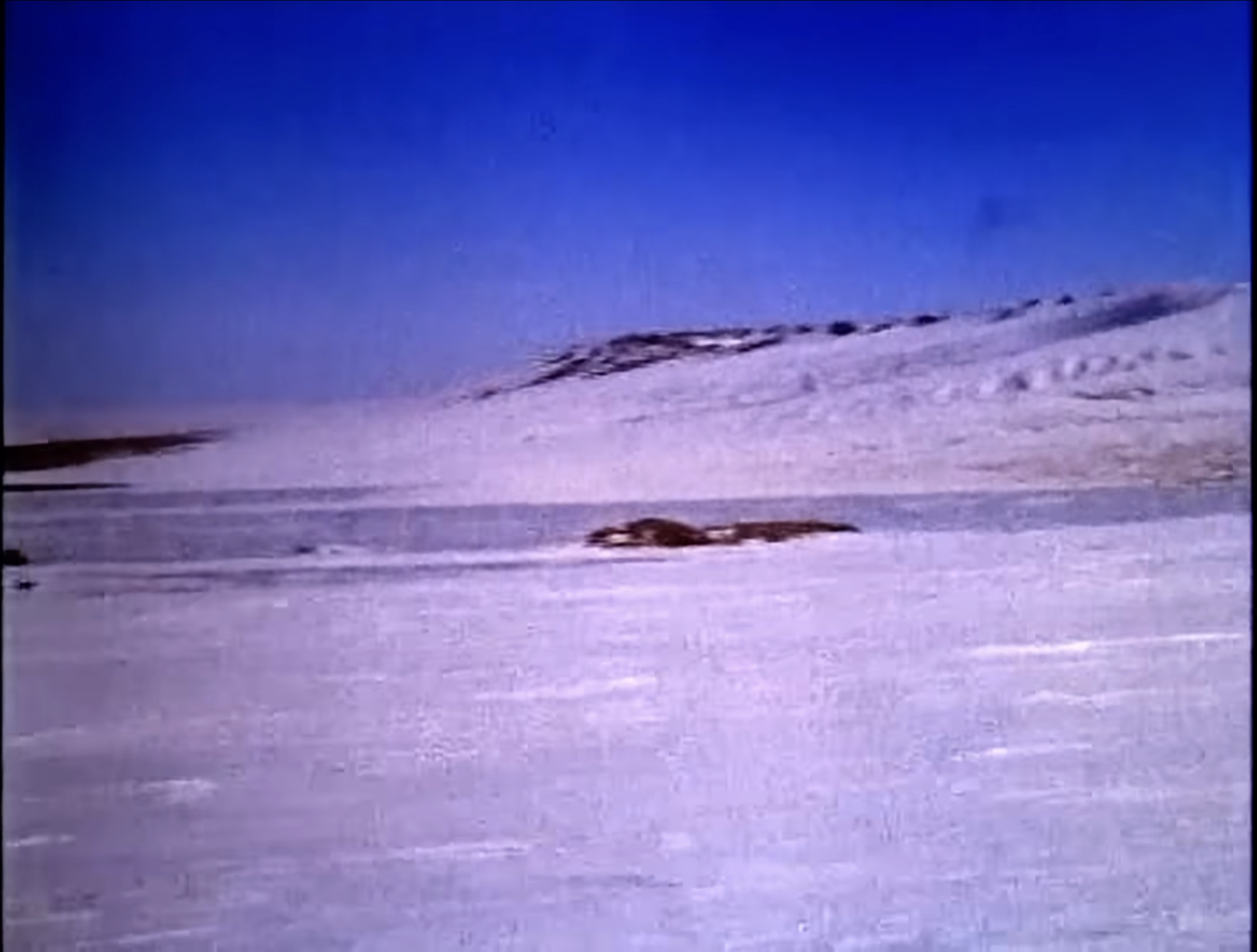
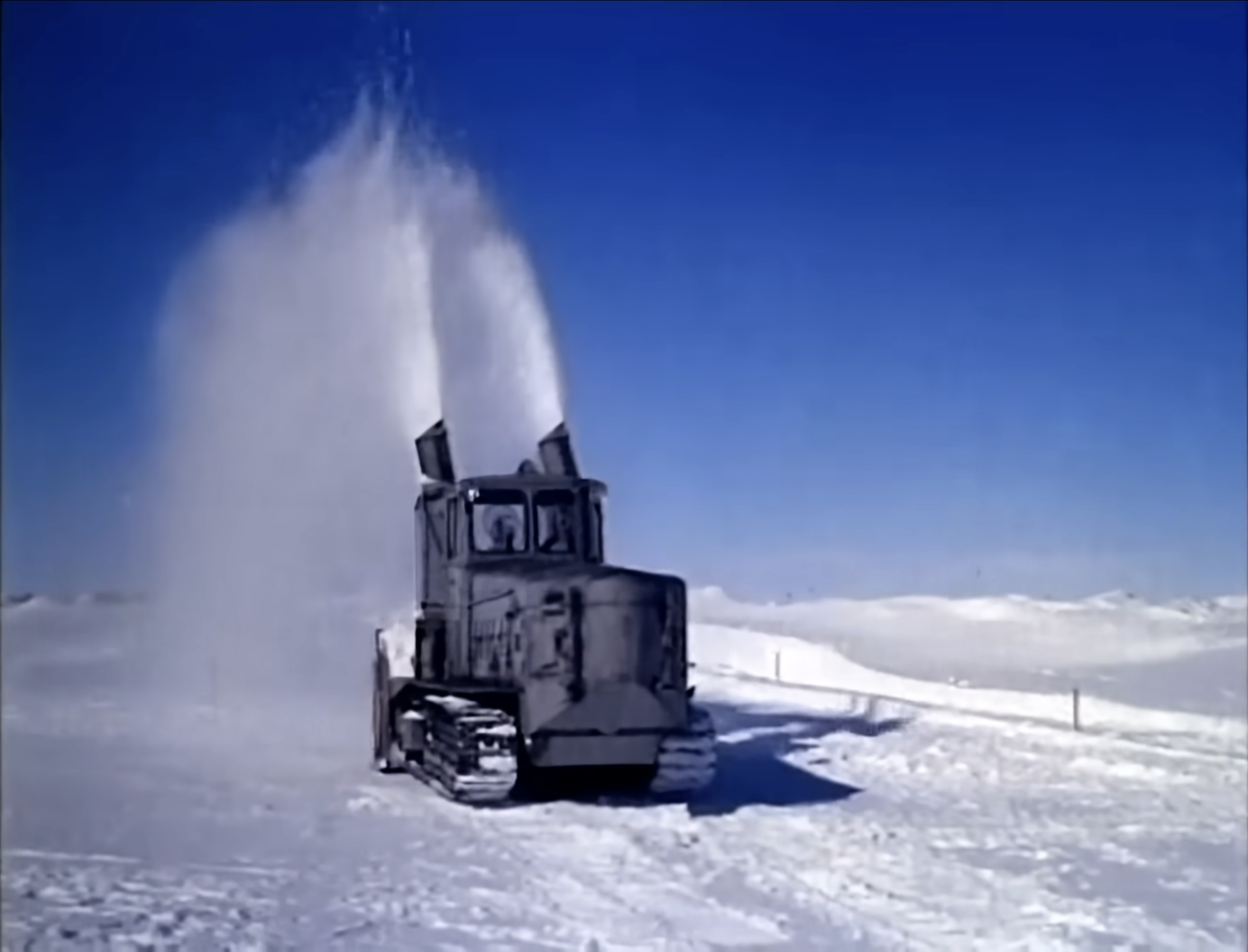
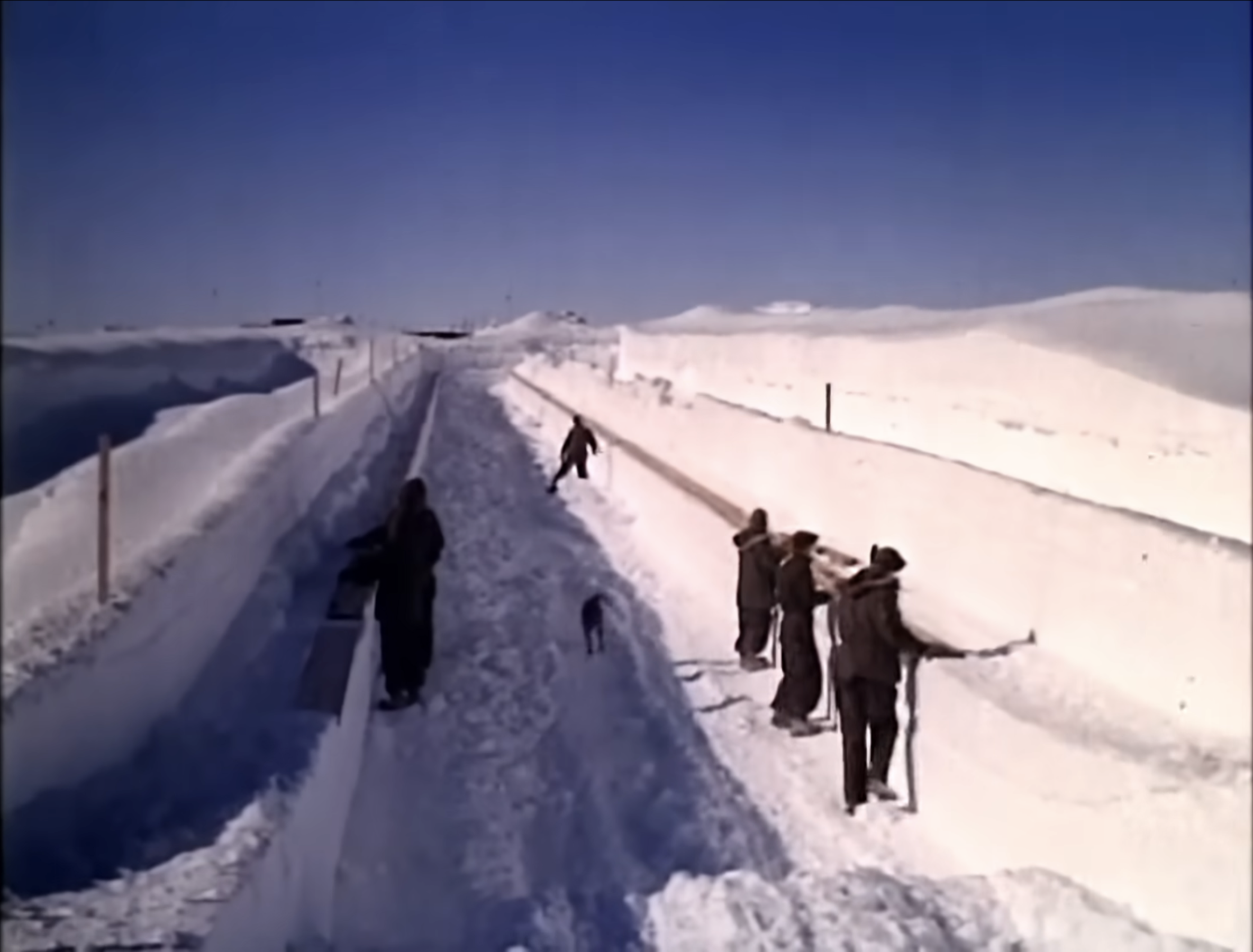
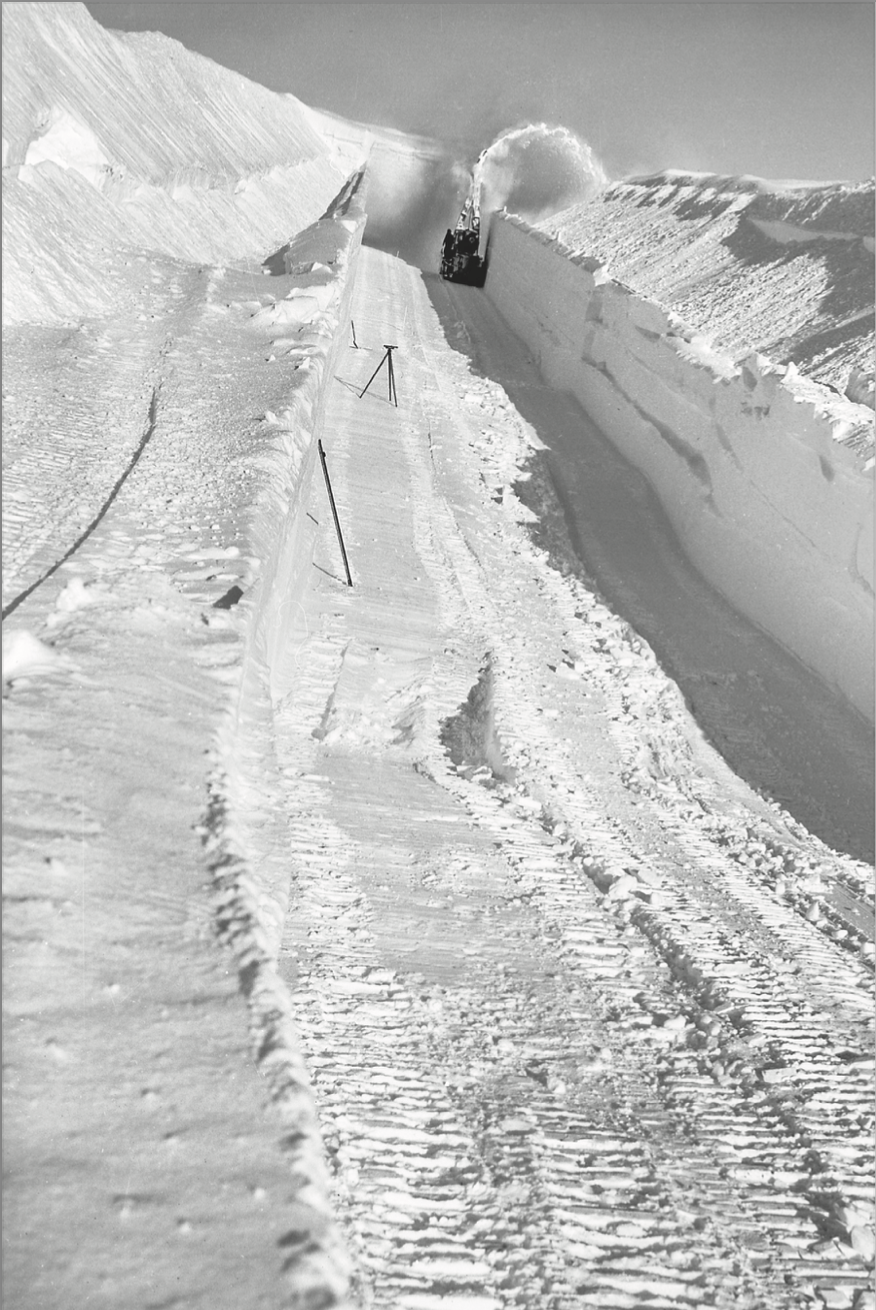
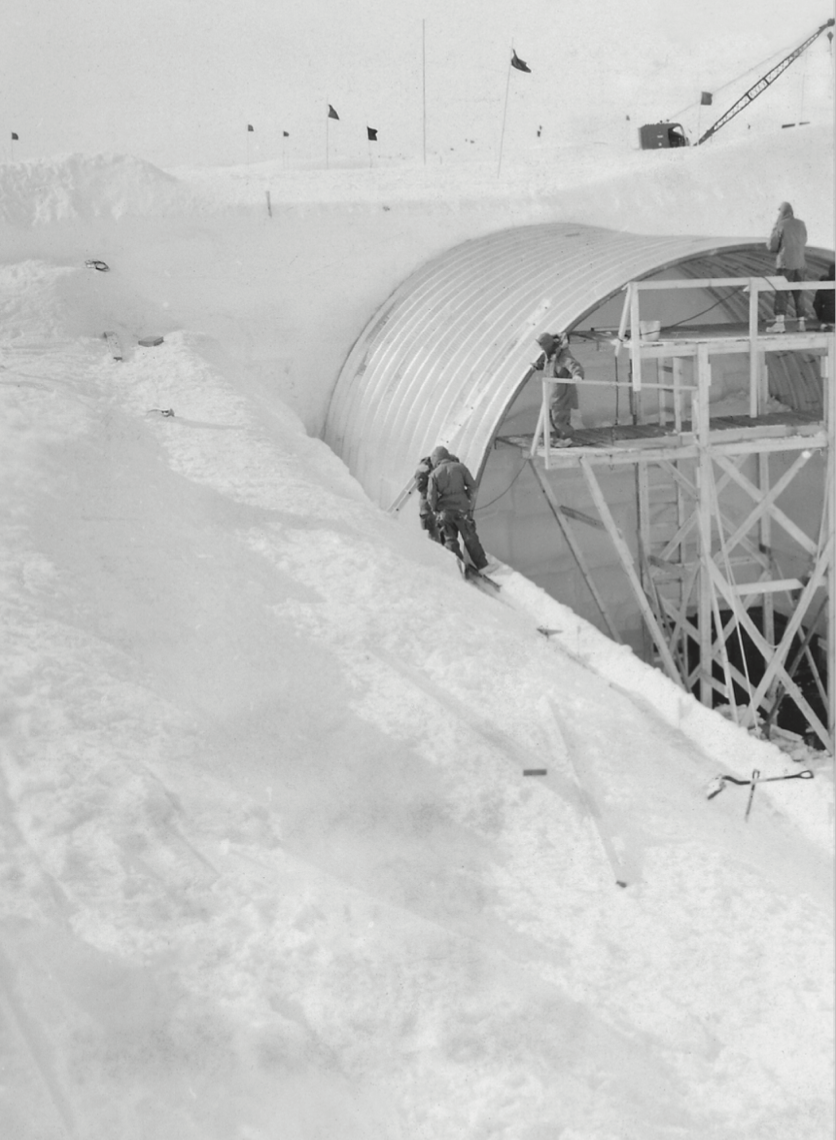
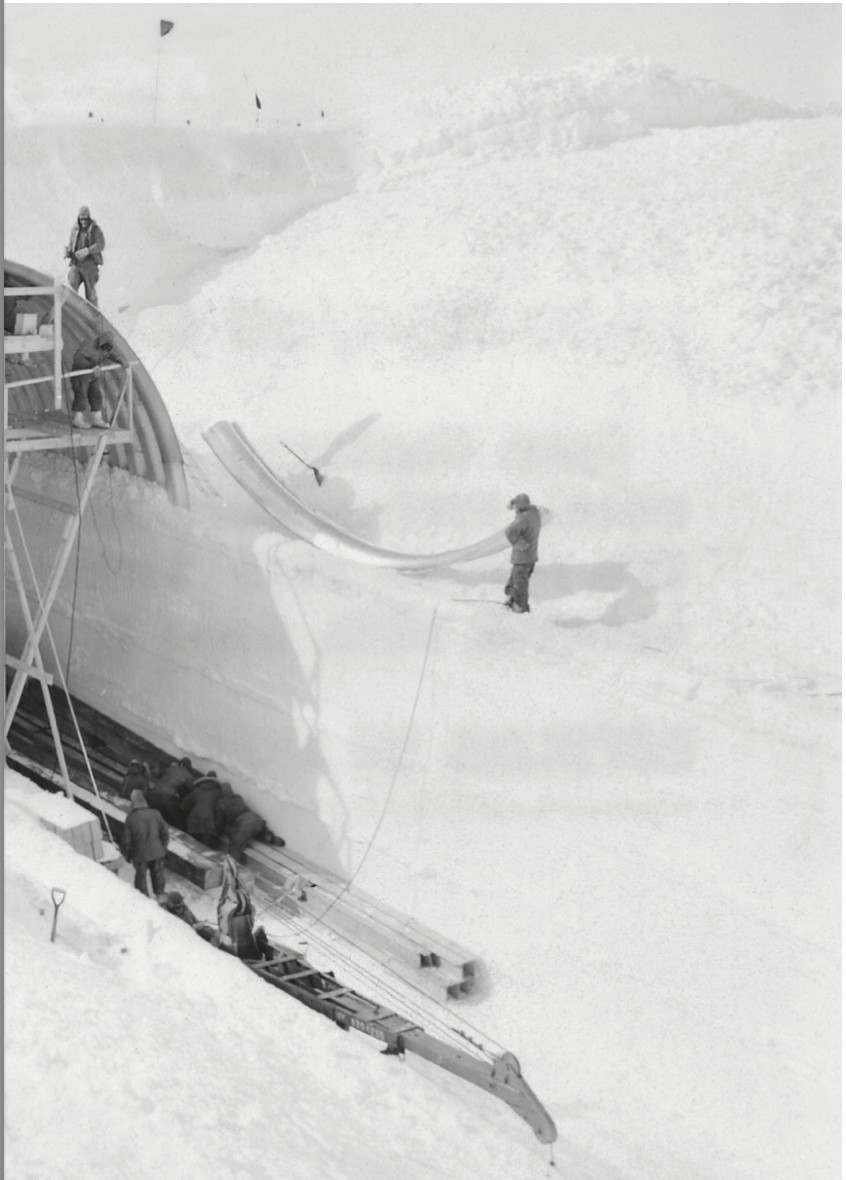
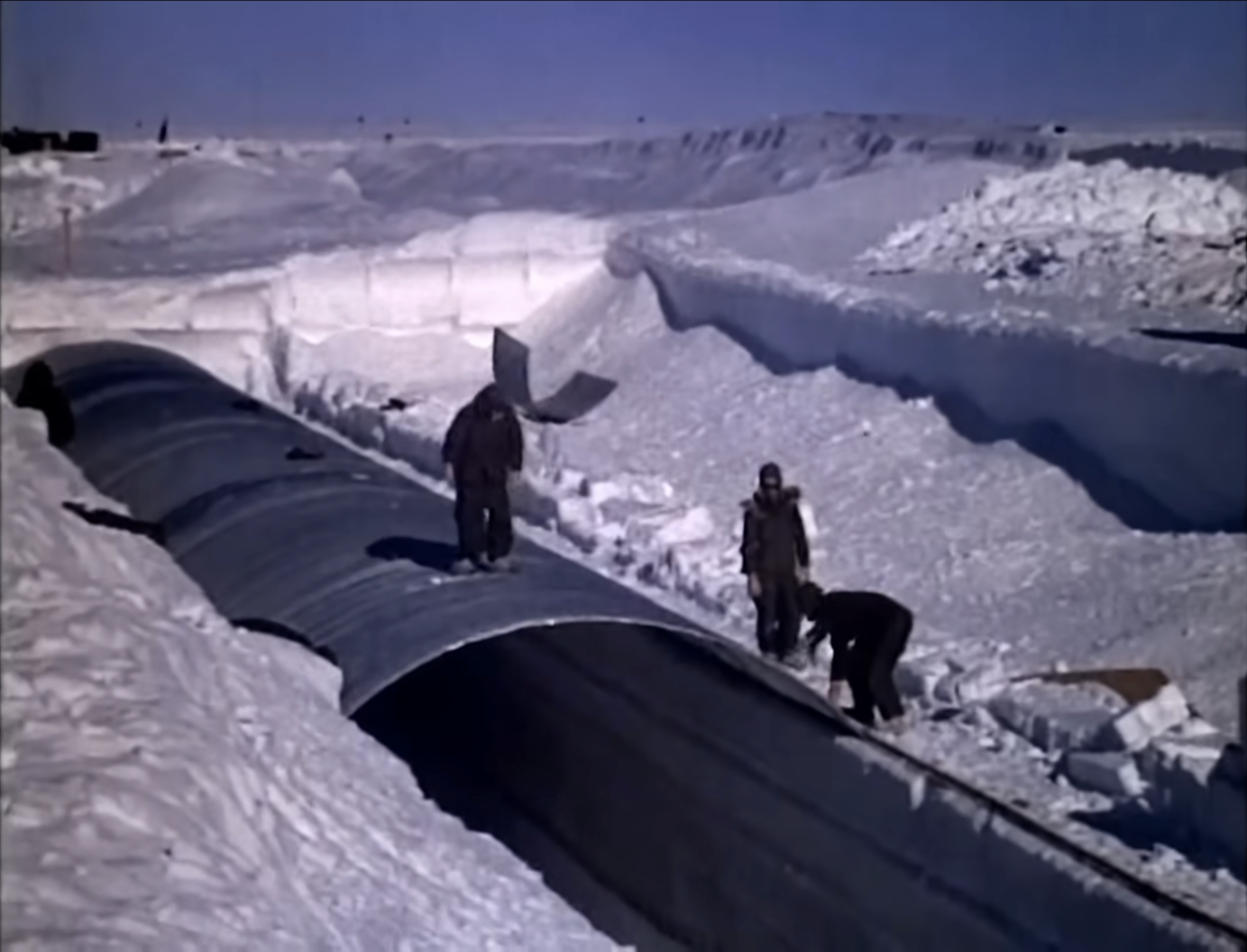
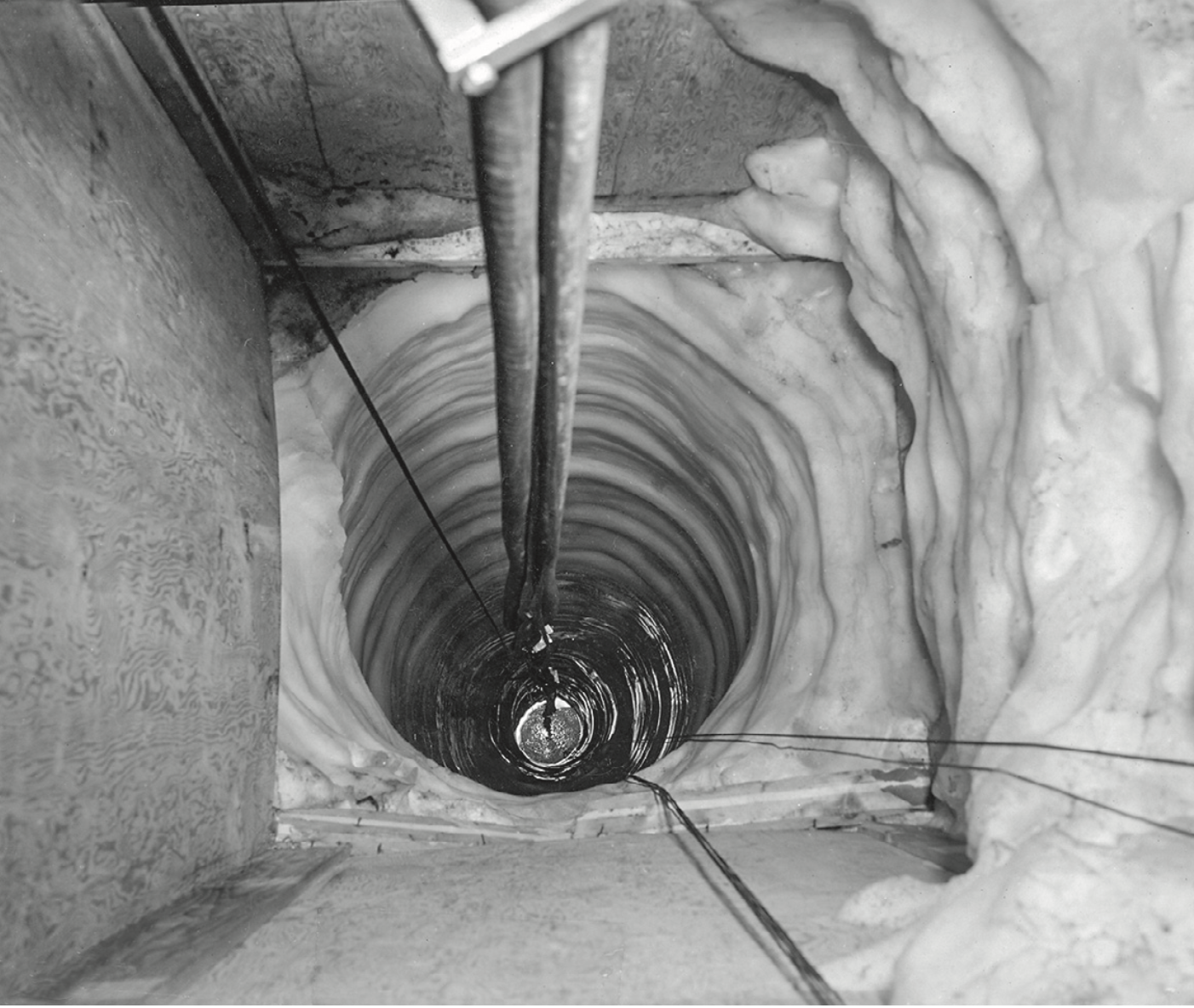
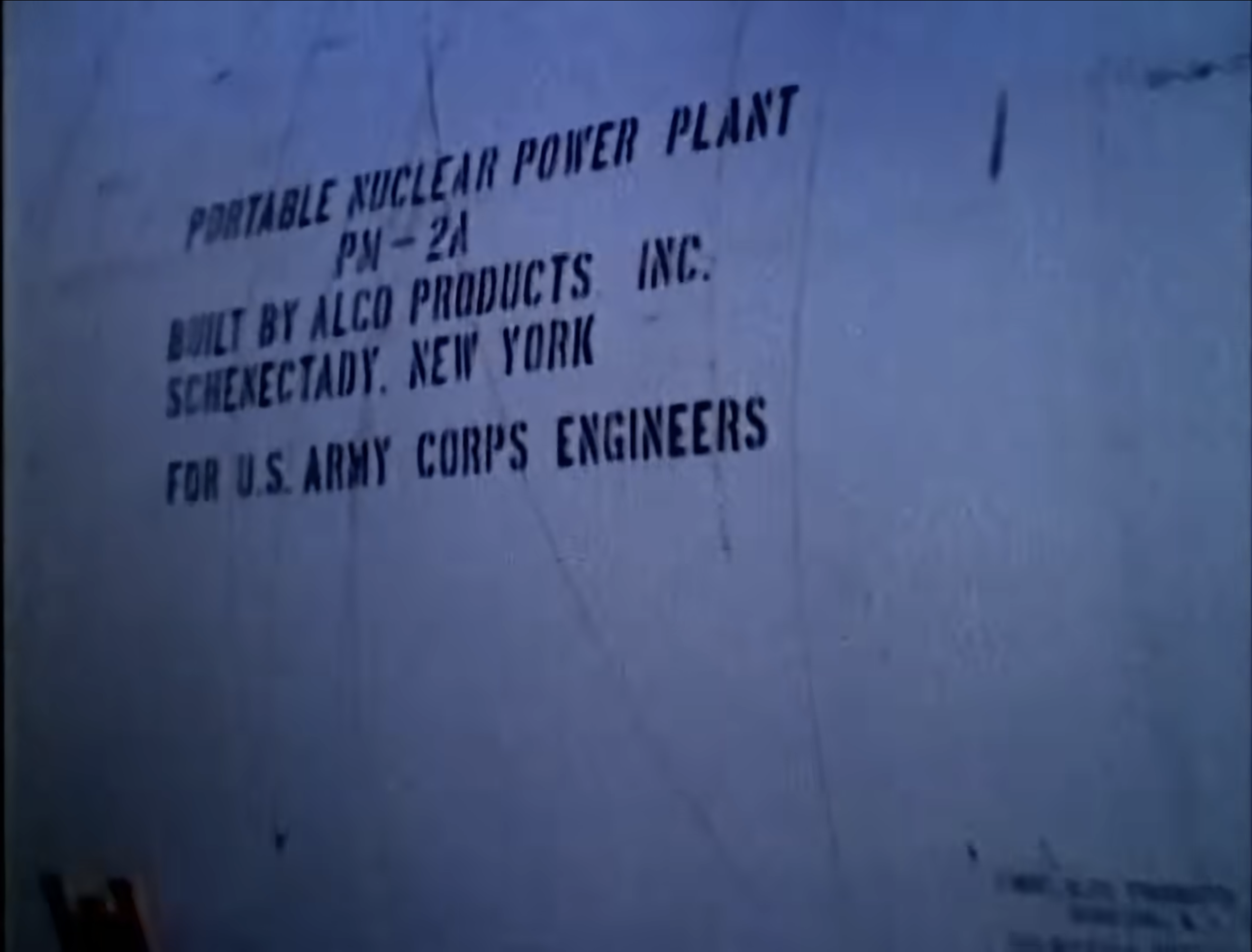
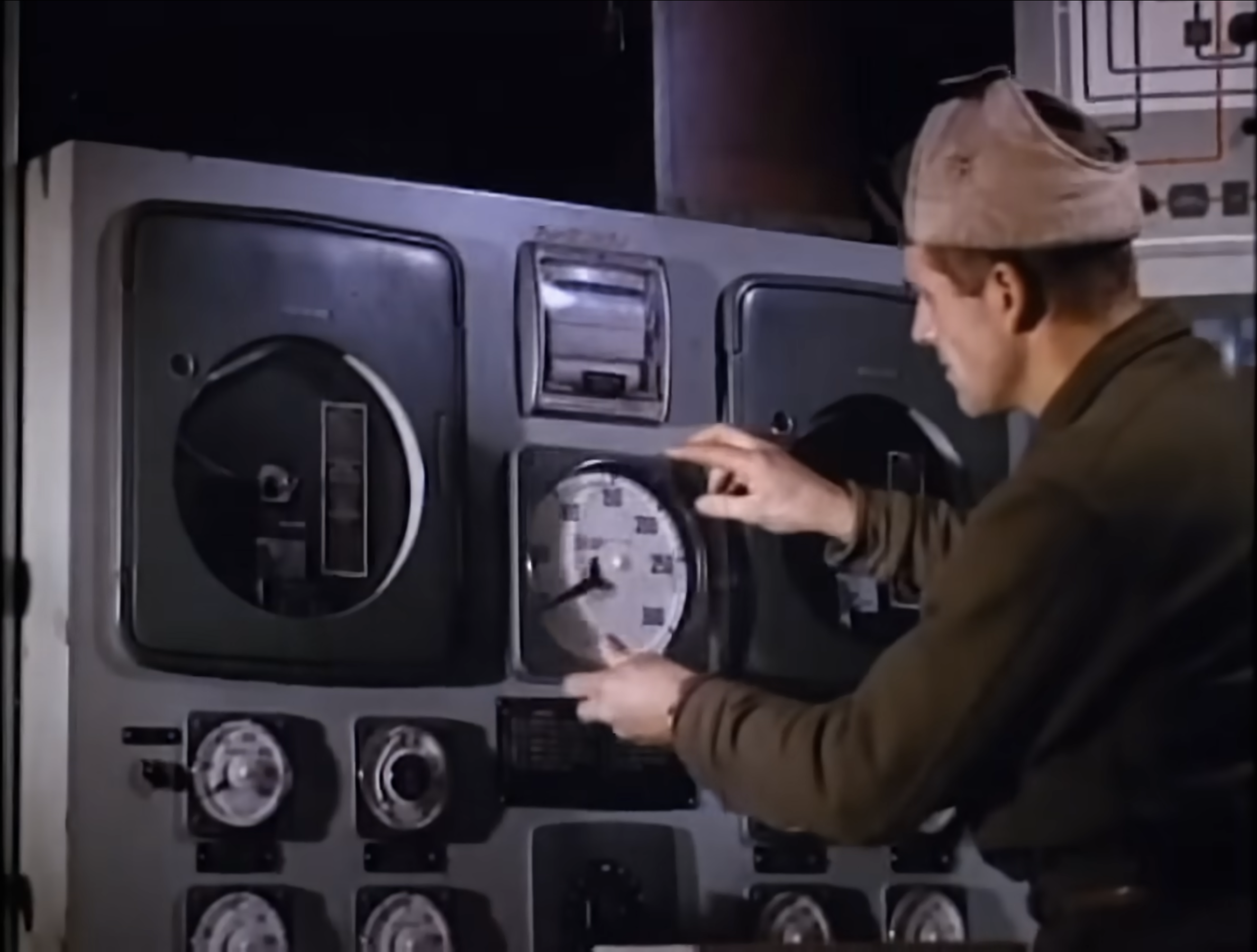
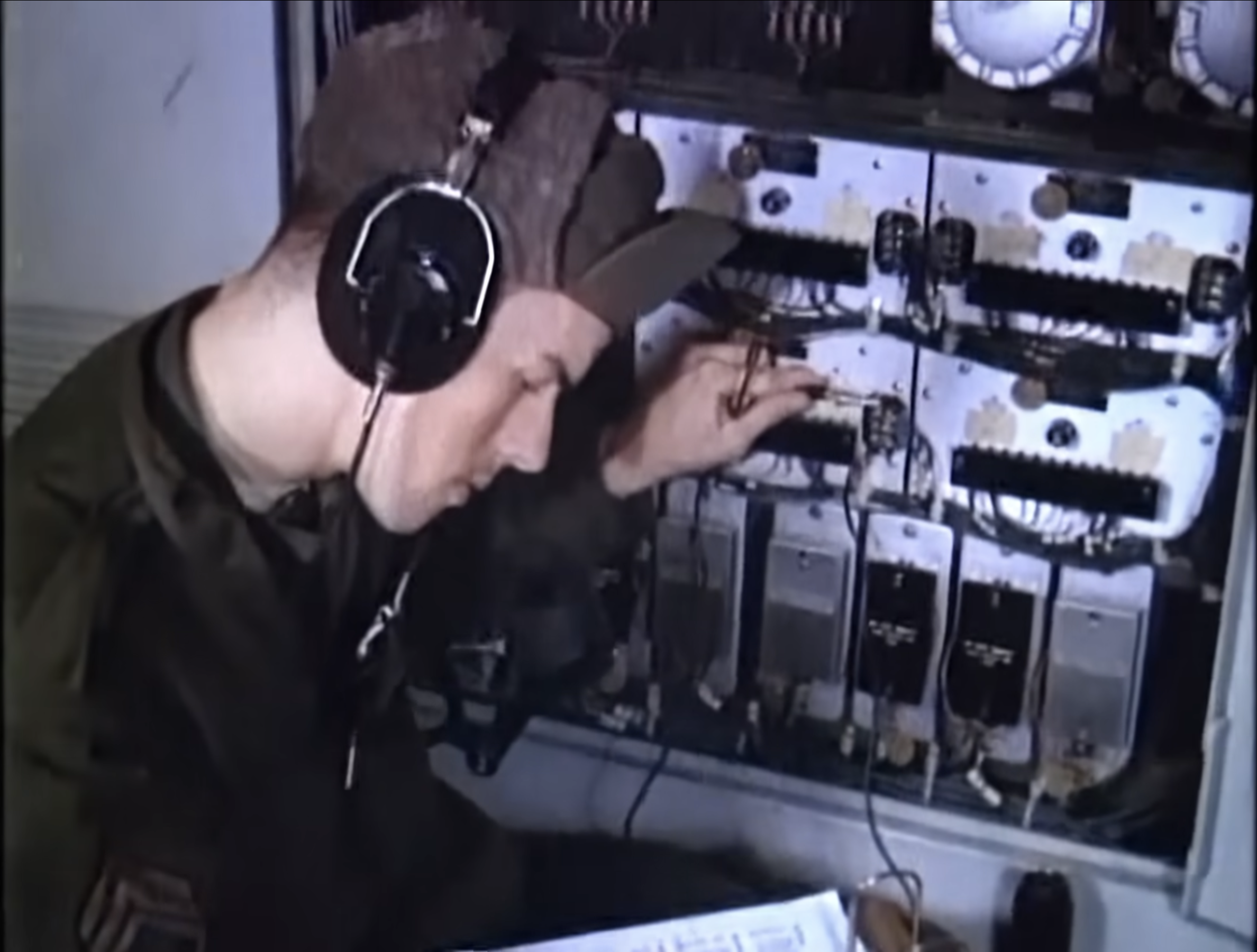
While this project is by no means a complete genealogy of ice as such, it begins to trace how ice was mediated at the site of Camp Century through military video, photographs, reports, and scientific papers. The conception of ice that emerges from these varying forms of representation points to a notably different ontology of ice than we have become accustomed to over the past quarter century or more. In contrast with the calamitous images of receding ice sheets and melting glaciers, the conception of ice materialized in the construction of Camp Century is one of stability and solidity that is then complicated and brought into question through the toxification of this site and the warming of the planet. Through this genealogy, ice is implicated in hyper-local, human, global, planetary, and geological scales.